Check the route before you clip on the lead
When your dog is waiting at the door on a hot day, check the ground, shade and humidity before you decide what kind of outing makes sense.12
 Look for a cool surface and shade along the whole route, including the way home.
Start with the first stretch outside your door. Is the footpath still hot from the afternoon? Is there shade all the way to the park, or only once you arrive? If the air is still hot and muggy or the route offers little relief, leave the full walk for a cooler time. On very hot days, keep outdoor trips to essential toilet breaks in the coolest accessible spot and make a cool place to rest at home.123
Use the forecast to choose a time
Check the hourly forecast for your own area. Early morning or late evening can give you a cooler window, but check the conditions when you actually leave. A footpath may still be warm in the evening. High humidity and poor airflow also make it harder for dogs to cool themselves by panting.124
There’s no single air temperature that clears every dog for every route. Think about effort as well as weather. A gentle sniff close to home and a sustained uphill walk ask very different things of your dog. In one UK study of veterinary records, exertion was the most common trigger recorded for heat-related illness. The researchers used local weather-station estimates, which can differ from what a dog experiences on the ground. Use the forecast alongside what you see and feel on the route.14
Check what’s under your dog’s paws
If the surface feels uncomfortably hot against the back of your hand, avoid it. A comfortable spot at the front door tells you little about the sunny crossing around the corner. Check the surfaces you actually plan to use. That includes asphalt, concrete, sand and grass in direct sun. Shaded grass can be a better choice when it feels cool and the air conditions suit your dog.125
Choose a route with an easy way home if conditions change. A short out-and-back on a shaded street can be easier to cut short than a loop. Carry fresh water, offer breaks in shade and choose an easy pace. Save running and repeated fetch for cooler conditions.123
Use these checks to decide whether to head out, change the route or stay in.123
| What you find | What to do |
|---|---|
| Cool air and shade | Try a short walk |
| Hot path or sand | Reroute or postpone |
| Still hot and humid | Skip the full walk |
Make a plan for the dog in front of you
Take extra care with short-faced dogs such as pugs and bulldogs, older dogs and dogs carrying extra weight. Dogs with breathing or heart problems can also need tighter limits. Ask your vet what level of activity suits your dog if they have an existing condition or have struggled in the heat before. Apply the same caution even when an energetic dog is eager to go out.1345
Give everyone who walks your dog the same plan. For example, agree to check the shaded side of the street before leaving, carry water and have a shorter route in mind. If the conditions stay hot, keep your dog in a cool, ventilated space with fresh water. If your dog is comfortable and wants something to do, hide a little of their usual food in safe, easy-to-reach spots indoors and watch while they sniff it out at their own pace.136
Know when to stop and call
If you suspect heatstroke, stop activity, get your dog into shade or a cool area and call a vet immediately. Look out for unusually heavy or continuous panting, excessive drooling, trouble breathing, vomiting or weakness after exercise or heat exposure. Wobbling or collapse also demands immediate help. Start cooling your dog by wetting their coat and skin with cool water while arranging urgent veterinary care. Follow the clinic’s instructions. Don’t wait for collapse or for an app assessment.123
If your dog starts limping or licking their feet after walking on a hot surface, take them off it and contact your vet for advice. Describe which feet are affected and what your dog walked on.2
Keep a short note for your vet
After urgent care has been arranged and it’s safe to do so, write down when the walk started, what the conditions were, what your dog was doing and what you noticed. Include when you stopped and what happened next. “Slowed on the uphill section and started panting harder than usual” gives the clinic a concrete observation to work with. Ask your vet what changes should prompt a call if your dog’s tolerance for their usual walks has changed.124
Want to keep those observations handy? Open PetCare AI and save a dated note in your dog’s Health Diary so you can review it before a vet conversation. AI guidance can help organise observations. A vet can examine your dog and diagnose what’s causing the changes.7
Sources
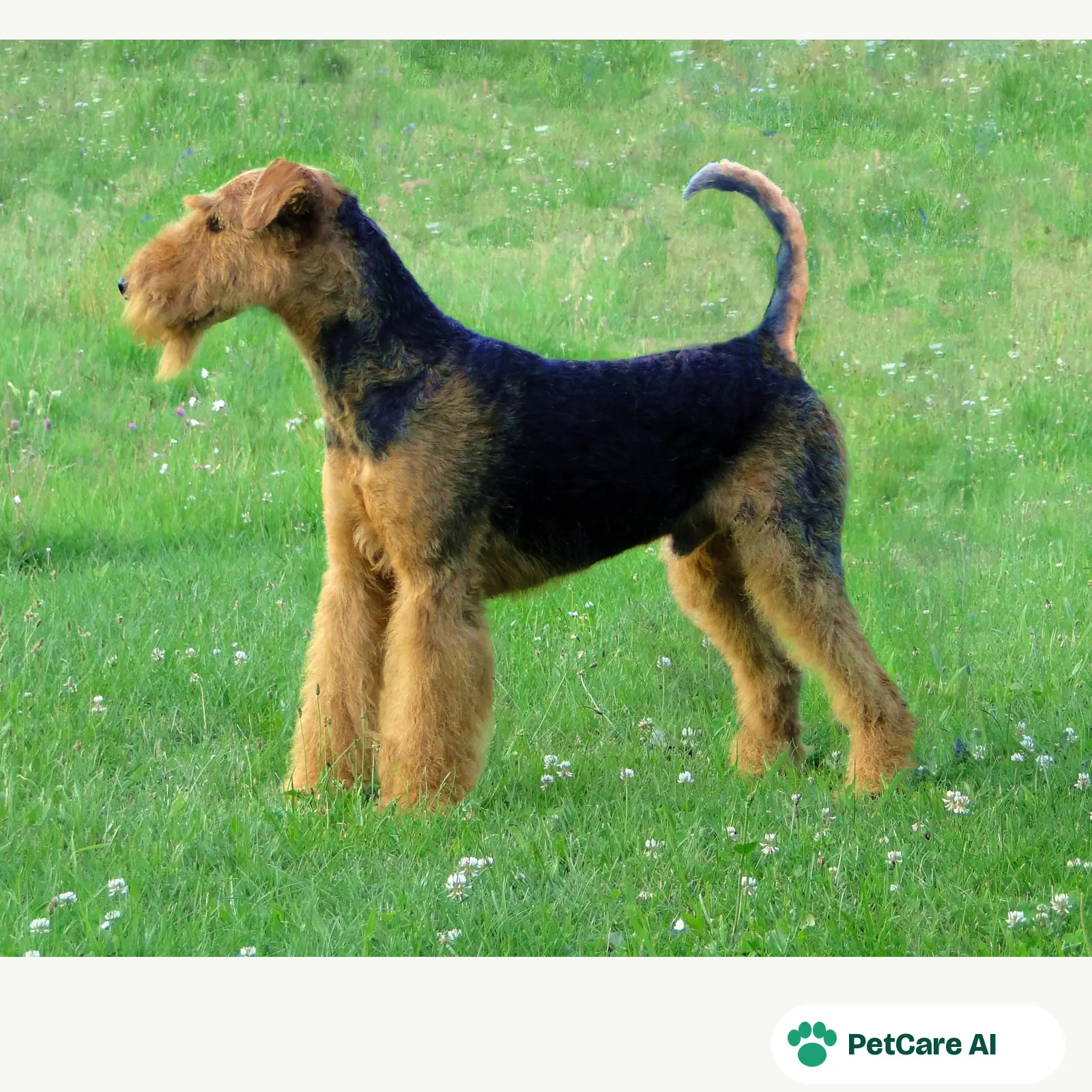
Photo by Zuni1520, Airedale terrier on grass, via Wikimedia Commons under CC BY-SA 3.0.
Footnotes
-
RSPCA Australia. How can I protect my dog from heatstroke? ↩ ↩2 ↩3 ↩4 ↩5 ↩6 ↩7 ↩8 ↩9 ↩10 ↩11
-
RSPCA South Australia. Paws on the pavement: Walking your dog during summer ↩ ↩2 ↩3 ↩4 ↩5 ↩6 ↩7 ↩8 ↩9
-
Hall et al. (2022). Risk factors for severe and fatal heat-related illness in UK dogs ↩ ↩2 ↩3 ↩4
-
RSPCA Australia. 4 ways to keep your dog cool this summer ↩ ↩2
-
RSPCA Australia. Low-cost enrichment for cats and dogs ↩
-
PetCare AI. Pet Health Guide and Health Diary ↩