How to Use Food Check Before Offering Your Pet Something New
Before offering a new snack, take a closer look at the ingredients and the questions that still need answering.
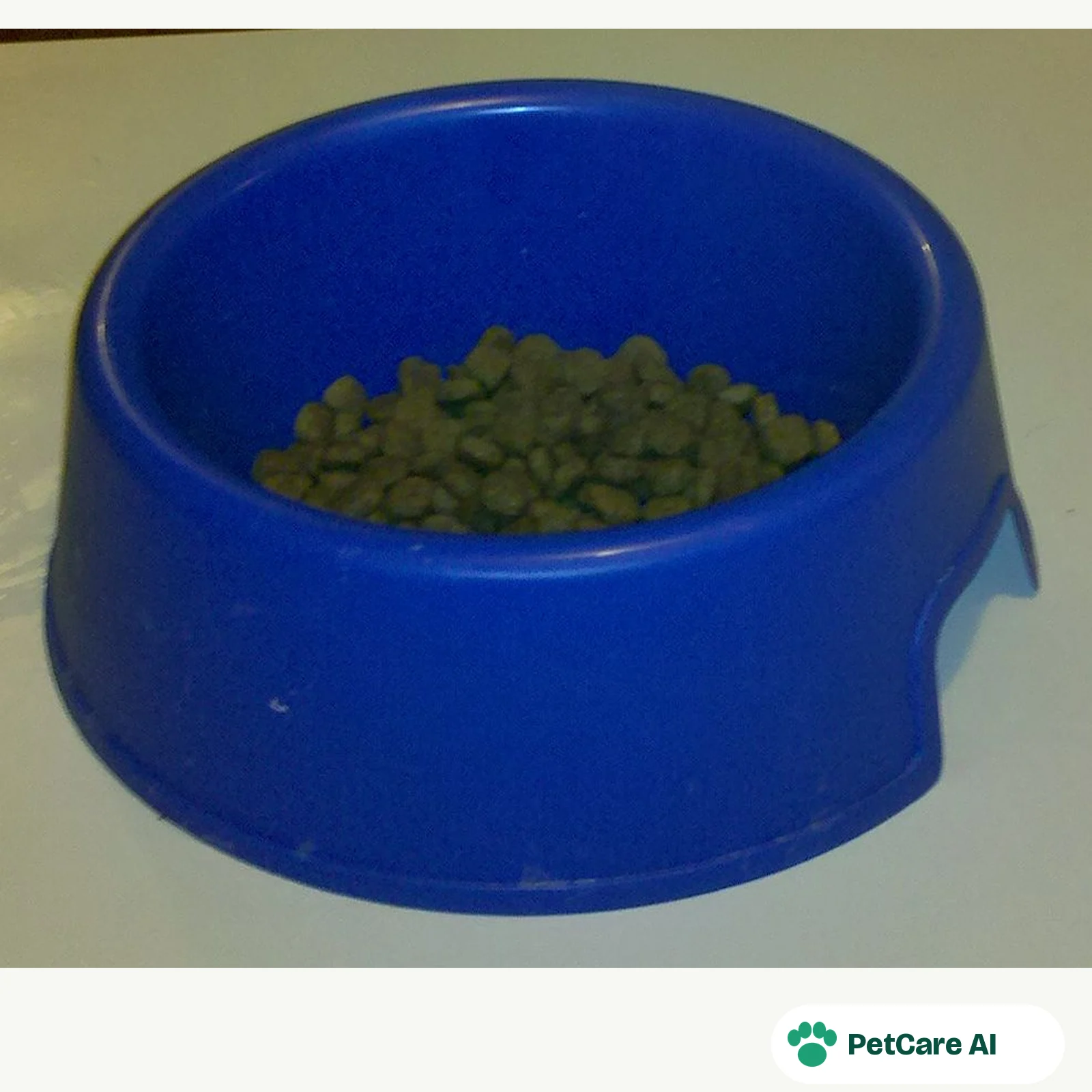 Keep the packaging handy when you are considering something new for their bowl.
You have opened a packet and your pet is watching hopefully. Before sharing any, you want to understand what is inside. PetCare AI's Food Check lets you photograph a label or visible food, review possible ingredient warnings for the selected species and ask follow-up questions about the result.1
If your pet may already have eaten something poisonous, contact a veterinarian or animal poison service immediately. Seek help even if your dog currently seems well. Keep the packaging available and follow professional instructions. Completing a photo check should never delay that call.23
This guide walks through a preventive check while the food is still out of reach.
1. Choose the pet and prepare the information
Open Food Check in PetCare AI and select the pet you are checking for. The current flow also supports checking without a saved pet by choosing a species. Review that selection before continuing, because the ingredient warnings depend on it. Sign-in, feature availability and your account's allowance determine access.1
Keep the actual packet beside you. For a packaged product, find the ingredient panel, including any continuation around the side. The product's name and front illustration provide less detail than the ingredient text needed for this check.1
There is a practical reason to read carefully. The ASPCA identifies chocolate, grapes and raisins, onion and garlic among foods that can harm pets, with risks that vary by ingredient and species. A familiar-looking snack can still contain an ingredient worth checking.4 Our guide to chocolate ingestion covers that specific situation.
For a homemade dish, gather whatever you know about its recipe. Write down sauces, seasonings and added ingredients separately. Food Check's photo reader cannot establish hidden ingredients from the appearance of a finished meal.1
2. Photograph the information clearly
For packaged food, photograph the ingredient list in focus with enough light to read the small print. Avoid reflections and folds across the words. The initial check accepts up to two photographs of the same product, which can help cover a panel that wraps around a packet.1
Check your own photos before submitting. Can you see the beginning and end of the list? Are the ingredients inside brackets readable? If a seam hides part of the text, reposition the packet so that section is visible.1
For unpackaged food, show the food clearly. The result can discuss visible items, while uncertainty remains about preparation, quantities and anything hidden inside. Visual identification can also be mistaken. Keep your recipe information available for follow-up questions.1
3. Read the warning and the evidence behind it
Once the result appears, review its summary, the ingredients or foods identified, any warnings and the substances checked. Compare the extracted text against the original packet. Food Check matches readable information against a species-specific substance list, so the details behind a warning matter.1
Use this short checklist while reading the result. These are practical interpretations of the current Food Check flow.1
| What you see | What to check next |
|---|---|
| An ingredient warning | Read the ingredient and supporting text. Keep the food out of reach. |
| An incomplete label | Find the missing or blurry section and provide clearer detail. |
| No matching substance | Review the extracted text, checked list and remaining uncertainties. |
| Unpackaged food identified | Confirm visible items and consider hidden recipe ingredients. |
An incomplete result can still contain an important warning. Read any warnings already shown while you work out which information is missing. A result with no matches leaves questions about ingredients outside the checked list, allergies, amounts and nutritional suitability.1
4. Use follow-ups to clarify missing details
Ask about a specific ingredient or a point in the result you do not understand. If the same product's label was partly obscured, the follow-up conversation can request another photo of the missing section. Additional-image allowances apply. Typing the missing text is another way to provide information when requested.1
For example, you might ask, “The ingredients continue underneath the fold. Which part do you need to see?” This is an example question, and the response will depend on your actual check.
Keep the conversation about that product or meal. Use a separate check for a different food. If the situation changes because your pet has eaten some or developed symptoms, explain what happened and seek the appropriate health guidance promptly.12
5. Check nutritional suitability separately
Food Check has a defined role in reviewing possible ingredient dangers. It does not assess allergies, safe portions or whether a food meets your pet's nutritional needs.1
For a main dog or cat diet, look for a nutritional adequacy statement and the intended life stage. On products using AAFCO statements, these details identify the species and life stage covered by the food's nutritional claim. Treats generally serve a supplementary purpose and often have different labelling requirements. AAFCO's guidance describes the US system, so ask your veterinarian or the manufacturer to explain unfamiliar wording on your local product.5
Bring questions about a prescribed diet, an existing condition or a change in the main diet to your veterinarian. AI can help you read and organise information. Veterinary judgement remains essential for individual health and feeding decisions.
6. If your pet has already eaten some
For suspected poisoning, contact a veterinarian or animal poison service now. In Australia, the Animal Poisons Helpline lists 1300 869 738. Have the product name, packaging, estimated amount, time of exposure, your pet's weight and any symptoms ready if available. Never induce vomiting unless a veterinarian or poison service instructs you to do so.23
Food Check's result includes a “They already ate some?” route that can carry the findings into a health concern, subject to the usual account allowance. Use it when appropriate alongside professional care instructions. Urgent contact takes priority over further app steps.12
For everyday preparation, keep the packet available, check the details and resolve uncertainties before deciding what to offer. Explore Food Check with PetCare AI to review readable ingredients, understand possible warnings and prepare clearer follow-up questions. Visit PetCare AI.1
Sources
Photograph credit — Ohiopetwatch, Large Dog food bowl, CC BY-SA 3.0.
Footnotes
-
PetCare AI, Food Check overview. Accessed 17 November 2026. ↩ ↩2 ↩3 ↩4 ↩5 ↩6 ↩7 ↩8 ↩9 ↩10 ↩11 ↩12 ↩13 ↩14 ↩15
-
Animal Poisons Helpline, Pet poisoning emergency instructions. Contact details, information to have ready and vomiting advice checked 17 November 2026. ↩ ↩2 ↩3 ↩4
-
Agriculture Victoria, Common dog poisons. Immediate assistance and absence of early signs checked 17 November 2026. ↩ ↩2
-
ASPCA Poison Control, People foods to avoid feeding your pets. Ingredient and species cautions checked 17 November 2026. ↩
-
AAFCO, Reading labels. Nutritional adequacy, life stages and treats checked 17 November 2026. ↩