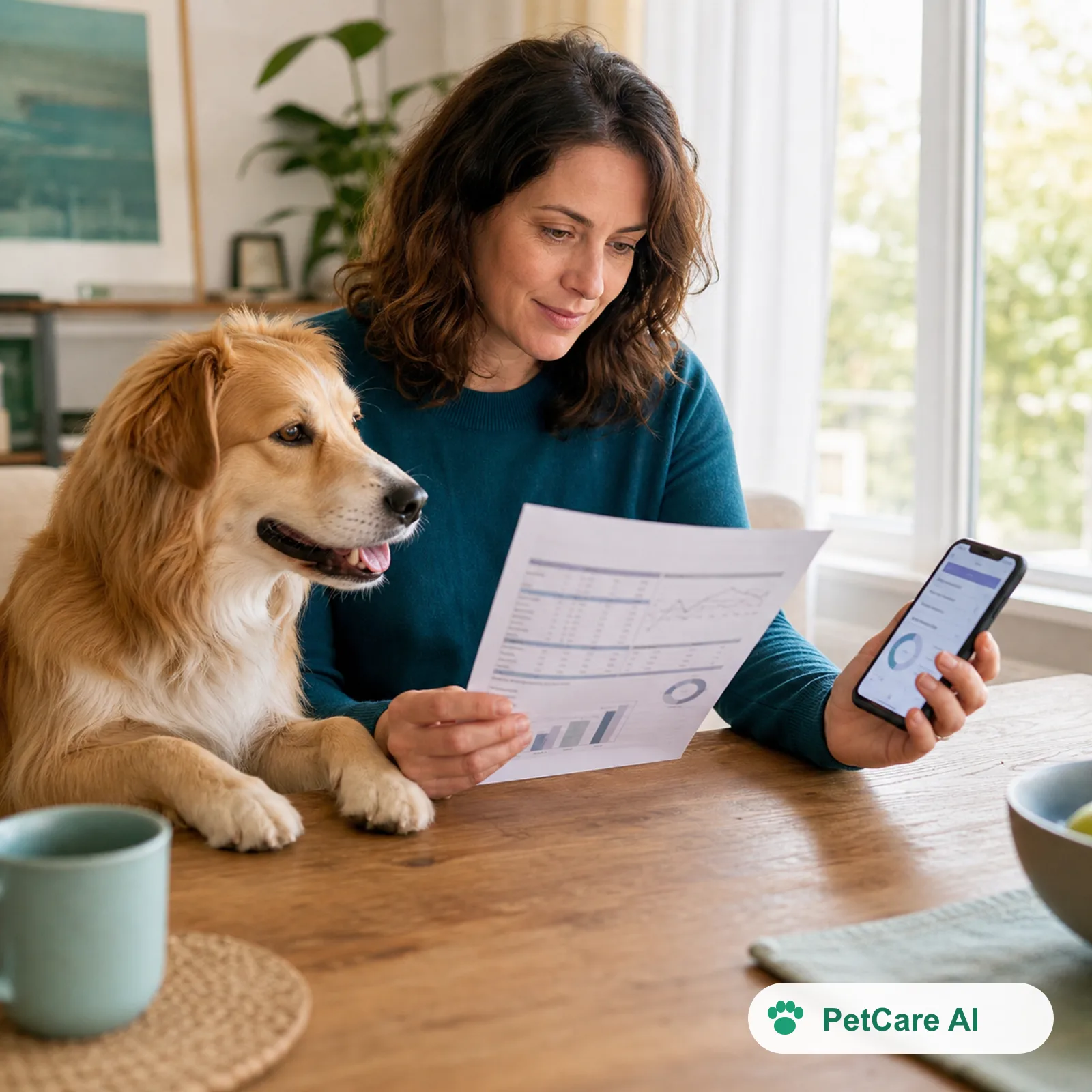
The best pet health record is not a perfect spreadsheet — it is a simple habit that helps you notice small changes before they become big ones.
 AI works best when it turns messy real-life observations into a clear timeline you can act on.
Why Tracking Matters More Than Memory
Australian households are caring for more pets than ever. Animal Medicines Australia estimated in 2025 that Australia has about 31.6 million pets, with 73% of households owning at least one companion animal.1 That is a lot of feeding, walking, medicating, grooming, toileting, scratching, limping, coughing, and "was she like this yesterday?" moments happening in busy homes.
The trouble is that memory is a poor medical record. You might notice your dog seems slower on walks but not remember when it started. Your cat might be drinking more, but the change happens so gradually that it feels normal until the water bowl is empty twice a day. A rabbit might eat slightly less hay for two mornings before the problem becomes obvious.
AI does not fix pet health by itself. What it can do is keep the small details from disappearing. When you log symptoms, meals, medication, weight, photos, behaviour, and vet advice in one place, an AI assistant can help organise the story:
- "This cough started three weeks ago and is worse after exercise."
- "Appetite is normal, but water intake has increased across five days."
- "Mobility dips after longer walks, especially the day after beach visits."
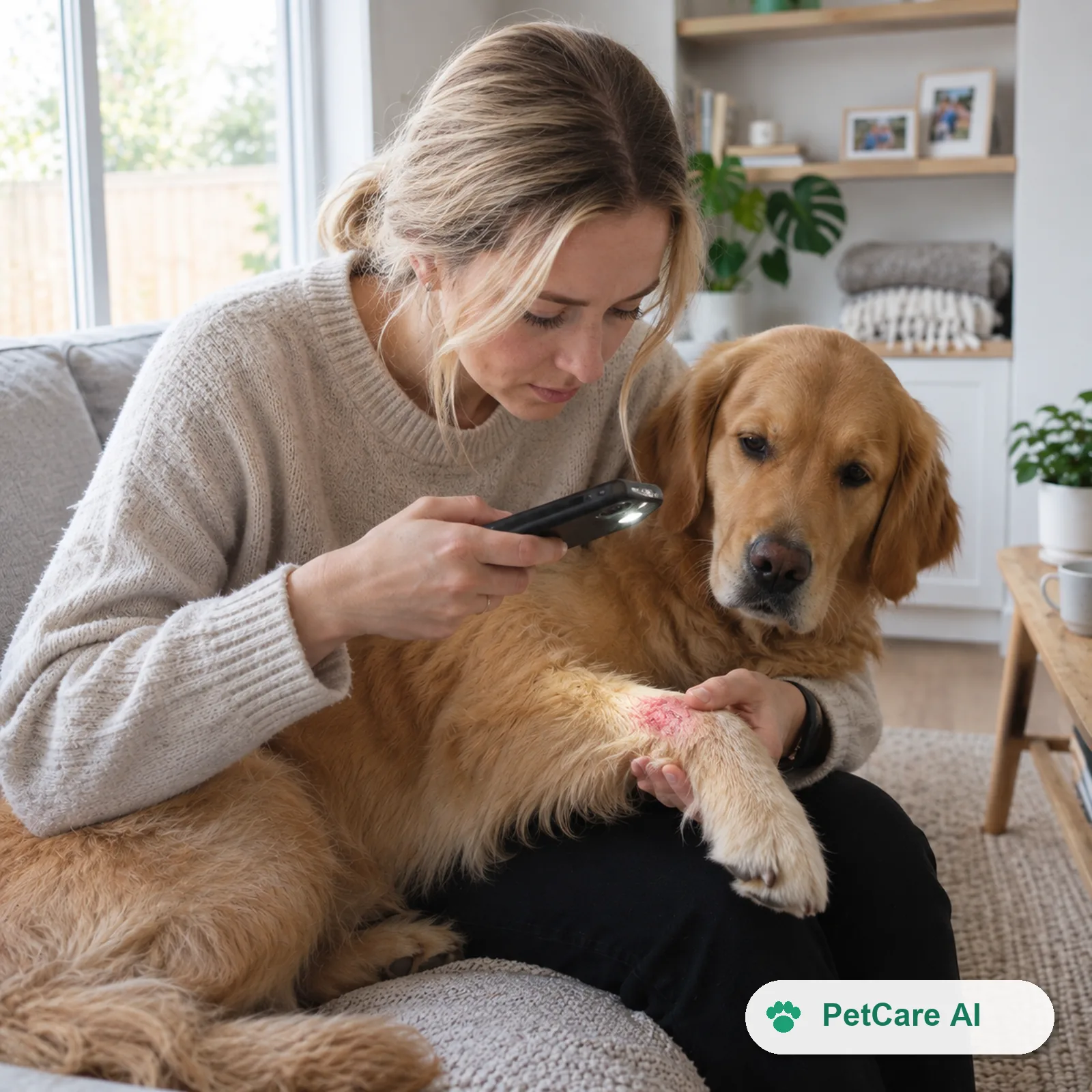
- "The skin patch looked dry at first, then became redder in photos over 48 hours."
That kind of timeline is useful for you, useful for your vet, and often much clearer than trying to reconstruct the week while standing at the clinic reception with a worried pet.
What to Track in an AI Pet Health Diary
You do not need to log everything. The goal is to build a baseline for your pet, then notice when they drift away from it.
| Category | What to record | Why it helps |
|---|---|---|
| Appetite and water | Normal, reduced, increased, skipped meals, unusual thirst | Changes can be early clues for dental pain, gut upset, kidney disease, diabetes, stress, or many other conditions. |
| Toileting | Vomiting, diarrhoea, constipation, urine changes, accidents, straining | Vets often need frequency, colour, and duration to judge urgency. |
| Weight and body shape | Monthly weight, waistline, ribs, sudden gain or loss | Gradual change is easy to miss at home, especially in long-haired pets. |
| Movement | Limping, stiffness, reluctance to jump, slower walks, trouble rising | Pattern tracking helps separate a one-off tweak from chronic pain or arthritis. |
| Skin, coat, and ears | Itching, licking, hair loss, redness, odour, discharge, photos | Photos create a visual timeline when irritation changes day by day. |
| Medication and preventatives | Dose given, missed dose, flea/tick/worming date, side effects | A clean record prevents double-dosing and makes vet follow-up easier. |
| Behaviour | Hiding, restlessness, vocalising, aggression, confusion, sleep changes | Behaviour shifts can be pain, fear, illness, age-related change, or environment. |
For most healthy pets, a quick note a few times a week is enough. For seniors, pets with chronic disease, or animals recovering from illness or surgery, daily tracking is often more useful.
A Simple Weekly Routine That Actually Sticks
The best system is the one you will still use next month. Try this rhythm:
Daily, 30 seconds: Log anything unusual. Appetite down, softer stool, extra scratching, a missed medication, a shorter walk, a cough, a new lump, or "normal day" if you are actively monitoring a condition.
Weekly, 5 minutes: Add one photo or short video if there is something visible to follow — a skin patch, gait, incision, eye discharge, or body condition. Weigh small pets at home if you can do it calmly and safely.
Monthly, 10 minutes: Ask the AI to summarise the month. Look for repeated phrases: "slower in the morning", "drinking more", "scratching after grass", "vomited after fatty leftovers", "limp after ball play". Those repeated phrases are often the useful bit.
Before every vet visit: Generate a one-page summary: timeline, current food, medications, supplements, preventatives, symptoms, photos, questions, and anything your pet may have eaten or been exposed to.
That last step is where AI becomes genuinely practical. Instead of bringing your vet a long scroll of notes, you bring a clean story.
How AI Turns Notes Into Better Decisions
Veterinary telehealth and remote monitoring are increasingly described as part of "connected care" — care that combines clinic visits with digital history, remote updates, photos, messaging, and follow-up between appointments.2 AI can sit inside that connected-care loop by doing three useful jobs.
1. Pattern spotting. AI is good at comparing today's note with last week, last month, and your pet's usual baseline. It can notice repeated vomiting after a specific food, an itch pattern that flares after park visits, or a limp that appears after high-impact play.
2. Triage support. A responsible AI tool can ask structured questions: age, species, breed, symptoms, duration, appetite, gum colour, breathing, pain, toxin exposure, medications, and whether the pet is bright or collapsed. It can then suggest whether the situation sounds like monitor-at-home, book a vet appointment, call a poison helpline, or seek emergency care.
3. Vet-visit preparation. AI can turn unstructured notes into a timeline with dates and examples. This does not diagnose the pet, but it helps the vet get to the right questions faster.
The important line: AI can support decisions, but it should not replace the veterinarian-client-patient relationship. The AVMA describes that relationship as the basis for veterinary diagnosis, treatment decisions, and medical judgement.3
 A clear health summary helps the consult start with facts instead of guesswork.
A Worked Example: A Cat, a Water Bowl, and Three Weeks of Notes
To make this concrete, imagine a fourteen-year-old domestic shorthair named Maple. Her owner logs short notes most days:
- Week 1: "Refilling water bowl every second day instead of every third." "Still eating, still purring."
- Week 2: "Two small wet patches near the litter tray." "Weighed 4.6 kg, down from 4.8 kg last month."
- Week 3: "Vomited a small amount of clear liquid Tuesday and Friday." "Sleeping more in the afternoon sun."
Read on their own, none of those notes feel alarming. Strung together, they describe a recognisable senior-cat pattern: increased thirst, mild weight loss, and occasional vomiting. Maple's AI summary highlights "water intake up, weight down 200 g, two vomiting episodes in 21 days" — exactly the kind of timeline a vet wants before recommending bloods and a urine test for kidney function, hyperthyroidism, or diabetes.
The diagnosis still belongs to the vet. The early arrival belongs to the diary.
The Best Data to Bring Your Vet
If you are tracking symptoms because something is already wrong, focus on the details vets actually use:
- When it started: exact day if possible, or "about three weeks ago".
- How often it happens: once, daily, after meals, overnight, after exercise, only at the park.
- What changed: appetite, thirst, toileting, breathing, energy, behaviour, weight, gait, skin, coat, eyes, ears.
- What stayed normal: still eating, still bright, normal stools, normal urine, no coughing, no pain when touched.
- Photos or video: 10 seconds of a limp, breathing effort, coughing episode, seizure-like episode, scratching, or skin lesion can be more useful than a paragraph.
- Medication history: prescribed meds, supplements, preventatives, missed doses, possible double doses.
- Exposure history: rubbish, compost, chocolate, grapes or raisins, lilies, rodent bait, snail bait, human medication, unfamiliar plants, new food, visitors' bags, beach water, ticks.
The AI's job is to keep this tidy. Your vet's job is to examine your pet, interpret the evidence, and decide what testing or treatment is needed.
Red Flags AI Should Never Ask You to "Wait Out"
Some signs need urgent veterinary help even if your notes are incomplete. Use AI to organise information on the way, not as a reason to delay.
Seek urgent veterinary care if your pet has:
- Trouble breathing, blue or very pale gums, collapse, or extreme weakness
- Repeated seizures, a seizure lasting more than a few minutes, or not returning to normal afterwards
- Suspected poisoning or access to human medication, rodent bait, snail bait, lilies for cats, chocolate, grapes, raisins, xylitol, or unknown chemicals
- A swollen painful abdomen, repeated unproductive retching, or signs consistent with bloat in a deep-chested dog
- Inability to urinate, especially in a male cat
- Severe pain, major trauma, heat stress, snake bite concern, or paralysis tick signs in tick areas
- Vomiting or diarrhoea with blood, repeated vomiting, or inability to keep water down
Emergency signs vary by species and situation, but veterinary references consistently treat breathing difficulty, collapse, toxin exposure, major trauma, severe pain, and urinary blockage as urgent problems.4 If you are not sure, call your vet or nearest emergency clinic and tell them what you are seeing. For suspected poisonings in Australia, the Animal Poisons Helpline on 1300 869 738 operates 24/7 and can usually give an answer in a single call.5
Honest Limits: What AI Cannot Know From a Diary
AI cannot feel an abdomen, listen to a heart murmur, check hydration properly, look under the tongue, assess pain with experienced hands, run bloods, take X-rays, or smell the unusual breath and discharge clues vets sometimes recognise instantly.
It also cannot guarantee that a pattern is harmless. A dog who is "just slowing down" may have arthritis, but could also have heart disease, anaemia, endocrine disease, cancer, or pain somewhere unexpected. A cat drinking more might have kidney disease, diabetes, hyperthyroidism, diet changes, heat-related thirst, or stress. Similar notes can lead to very different diagnoses.
There are privacy limits too. A good pet health app should make it clear what data is stored, whether photos are used for model improvement, and how owners can delete their records. Health notes can include your location, routines, vet details, and payment history, so they deserve the same care as any other personal data.
Use AI as a memory aid, triage assistant, and summary tool. Let your vet be the clinician.
What This Means for Everyday Pet Care
The practical promise of AI is not that every owner becomes a mini-vet. It is that more owners arrive earlier, with better information.
For a healthy young pet, AI tracking might mean a neat vaccination, parasite prevention, weight, and behaviour record. For a senior dog, it might mean catching a gradual mobility decline before pain becomes severe. For a cat with kidney disease, it might mean tracking appetite, drinking, weight, and medication without relying on a fridge note. For a rabbit, bird, or guinea pig, it might mean acting faster when appetite or droppings change — small signs that can matter a lot in animals that hide illness instinctively.
The habit is simple: observe, log, summarise, share. Done consistently, that gives your pet a clearer health story and gives your vet better evidence to work with.
Want to start a clearer health record for your pet? Run a free 60-second check with PetCare AI — log what you are seeing, build a timeline your vet can actually use, and know when it is time to monitor, book, or act urgently.
Sources
Footnotes
-
Animal Medicines Australia, Pets in Australia: A national survey of pets and people 2025. https://animalmedicinesaustralia.org.au/resources/pets-in-australia-a-national-survey-of-pets-and-people-3/ ↩
-
American Animal Hospital Association, 2021 AAHA/AVMA Telehealth Guidelines for Small-Animal Practice: Remote Monitoring & Artificial Intelligence. https://www.aaha.org/resources/2021-aaha-avma-telehealth-guidelines-for-small-animal-practice/remote-monitoring-artificial-intelligence/ ↩
-
American Veterinary Medical Association, Veterinarian-client-patient relationship. https://www.avma.org/resources-tools/avma-policies/veterinarian-client-patient-relationship ↩
-
Merck/MSD Veterinary Manual, What to Do in a Dog or Cat Emergency. https://www.merckvetmanual.com/special-pet-topics/emergencies/emergency-care-for-dogs-and-cats ↩
-
Animal Poisons Helpline, Contact — 24/7 support for Australia and New Zealand. https://www.animalpoisons.com.au/contact ↩