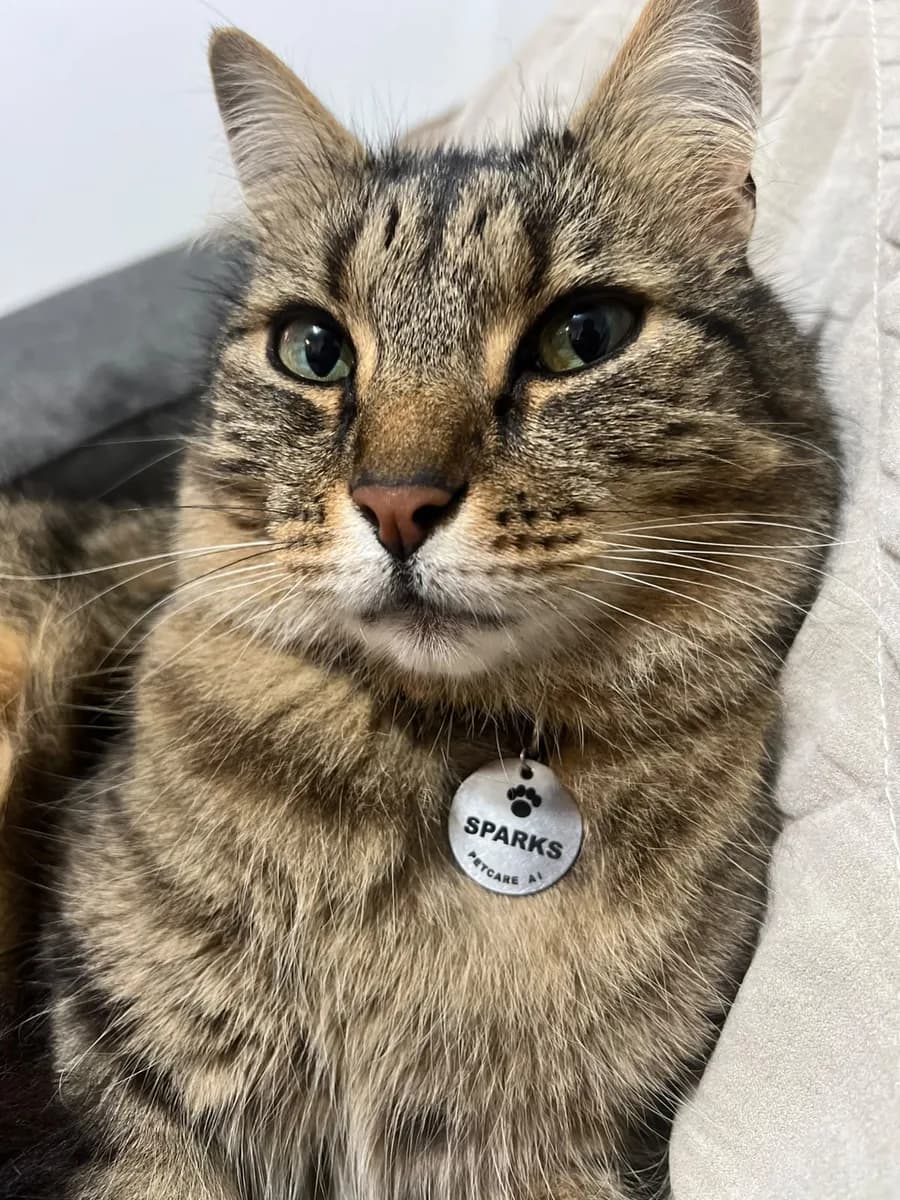
When a pet disappears, the best plan is simple: search close, tell the right people fast, and make it easy for a finder to contact you.
 The first day is about speed and clarity: a good photo, current contact details, and neighbours who know exactly what to look for.
First, Take Ten Minutes to Search Close
Before you post everywhere, do the closest search properly. Many pets are found within a surprisingly small radius, especially cats that hide silently and dogs that duck into a neighbour's yard after a fright.
Start with the places a scared animal would choose:
- Under the house, deck, cars, outdoor furniture and hedges
- Garages, sheds, laundries, bins and side passages
- Neighbouring yards, especially if a gate was open
- Stairwells, apartment basements, car parks and storage cages
- Quiet corners near the last door, window or gate they used
Use a calm voice. Bring a torch even during the day so you can catch eye-shine under cars or inside dark spaces. If your pet knows a sound, use it: a treat jar, lead clip, food packet, whistle or favourite toy.
If your pet is a cat, search low and slow. A frightened cat may not answer even when they hear you. If your pet is a dog, move quickly to nearby streets and parks, but ask one person to stay near home in case they circle back.
Secure Your Contact Details and Microchip Record
Microchips help only when the linked contact details are current. RSPCA Australia explains that vets, shelters and councils can scan a lost animal and contact the owner through the database, but only if those details are up to date.1
In the first hour:
- Find your pet's microchip number if you have it
- Update your mobile number and address on the relevant registry
- Mark the pet as missing if your state registry supports it
- Add a second trusted contact if the system allows it
The NSW Pet Registry lets owners update contact details and address, and mark a cat or dog as missing or found.2 Other states and territories use different systems, so check your council, vet paperwork or microchip registry if you are outside NSW.
If you cannot find the microchip number, call your vet. They may be able to help identify the registry from your records, or tell you what paperwork to look for.
Call the Places a Finder Will Call
Do not rely on social posts alone. A person who finds a lost pet may call a vet, council ranger, shelter or pound before checking Facebook.
Make a short call list:
| Who to contact | What to give them |
|---|---|
| Local council or ranger service | Microchip number, description, last-seen location, your mobile |
| Nearby vets | Photo, breed/colour, collar details, microchip if known |
| Local shelters and pounds | Same details, plus the date and time missing |
| Your regular vet | Ask them to note the pet as missing on your file |
Many councils specifically ask owners to report missing pets and contact local veterinary clinics.3 RSPCA lost-and-found pages also point owners toward shelter databases, local vets, councils and online lost-pet groups.4
Keep a simple note on your phone with who you called and when. In a stressful first day, it is very easy to call the same place twice and miss another entirely.
Make One Clear Missing-Pet Post and Poster
This is where speed matters, but clarity matters more. A missing-pet post should not read like a paragraph from a diary. It should be easy to screenshot, forward and act on.
Use this structure:
MISSING DOG/CAT - suburb - date
- Pet name
- Species, breed, colour and size
- Clear photo, preferably standing or face-on
- Last seen location and time
- Collar, tag or harness details
- Microchip status, if you are comfortable saying so
- Temperament: "do not chase", "shy", "friendly", "may run"
- Your phone number or a contact method that you will actually monitor
For posters, use fewer words than you think. The photo and suburb do most of the work. A large headline, one good photo, last-seen area and a phone number are more useful than a crowded page no one can read from a car window.
Post to:
- Your suburb's Facebook community group
- Local lost-and-found pet groups
- Nearby vet and rescue pages if they allow it
- Nextdoor or neighbourhood apps if active in your area
- School, sports club or apartment group chats
If you have a PetCare AI missing report, you can print a ready-made poster directly from the report page — the layout already includes your pet's photo, description and your contact details, sized for A4 and easy to read at a distance.
Ask people to comment only with useful sightings: time, location, direction of travel, and photo if safe. "Hope you find him" is kind, but a fast-moving thread can bury the sighting you actually need.
Door-Knock Before You Drive Far Away
The first instinct is often to jump in the car and search a huge area. Sometimes that is necessary, especially for a dog seen running, but door-knocking close to home is often of higher value.
Ask neighbours to check:
- Garages and sheds that may have been open
- Under decks, verandahs and houses
- Security cameras, doorbell cameras and dashcams
- Side gates and pool areas
- Any quiet spot where an animal could be trapped
For cats, ask permission to look yourself if the neighbour is comfortable. A hiding cat may stay silent for strangers. For dogs, ask whether anyone saw the direction of travel. Direction is often more useful than distance.
If your pet is nervous, tell people not to chase. Chasing can push a scared animal across roads or farther from home. Ask for sightings, photos and direction instead.
Use Familiar Smells Carefully
Familiar scent can help, but keep it sensible. Place a worn T-shirt, blanket or bedding near your door or usual entry point. If your pet is a cat, a small amount of their usual wet food near the door at dusk can help, but do not leave large amounts of food scattered around the street.
Avoid creating a trail that crosses roads. You want your pet back to a safe point, not pulled through traffic.
If you are getting repeated sightings in one area, stop wandering widely and focus. Put posters there, speak to households nearby, and ask people to report sightings without pursuing.
Keep Sightings in One Place
By hour six or seven, you may have messages coming from everywhere: Facebook comments, direct messages, phone calls, neighbours, vets and screenshots from friends. This is where people lose useful information.
Track every sighting with four fields:
| Field | Example |
|---|---|
| Time | 7:20 pm |
| Location | Corner of Hall St and Roscoe St |
| Direction | Heading toward the park |
| Confidence | Clear photo / maybe / unlikely |
If there is a photo, save it. If someone says "I saw a dog like that this morning", ask for the exact street and direction. Do not argue with uncertain sightings; just sort them by confidence.
This is also where a QR pet profile helps. Instead of asking finders to search for the right post, they can scan a tag, open the pet's profile and submit a sighting directly. If the finder's pet has no QR tag, they can upload a photo at petcareai.com.au/found-a-pet — the AI searches all active missing reports for a visual match and returns ranked candidates, without the finder needing to scroll through posts. The less friction between a finder and your contact details, the better.
What Not to Do in the First 24 Hours
Avoid these common mistakes:
Do not use five different phone numbers. Pick one primary contact and one backup. Confused finders give up.
Do not post ten different versions of the poster. Update the original when possible so shares do not keep circulating old information.
Do not chase a frightened pet. For shy dogs and cats, chasing often makes recovery harder.
Do not assume the microchip is enough. Microchips are scanned only once the animal reaches a vet, shelter or authorised scanner. A visible tag, poster and local posts still matter.
Do not wait until morning to notify council or local vets. Even if they are closed, submit online forms or leave messages where available, then call when they open.
Set Up the Recovery Plan Before You Need It
The hardest part of a missing-pet emergency is that you are trying to create a plan while panicking. Do the boring setup now:
- Current microchip and registry details
- Recent clear photos from both sides and face-on
- Collar tag with a mobile number
- A second contact who can answer calls
- A saved list of local vets, council and shelters
- A QR pet profile with contact and sighting details
You do not need to expect the worst to prepare for it. You just need to remove friction from the first hour.
Want to set this up before anything goes wrong? Create a free pet profile with PetCare AI — add your pet's photo and details now, so if they ever go missing you can publish a poster and collect sightings faster.
Sources
Footnotes
-
RSPCA Australia, Microchipping. https://www.rspca.org.au/adopt/responsible-pet-ownership/microchipping/ ↩
-
NSW Office of Local Government, Lost pets. https://www.olg.nsw.gov.au/owners/lost-pets ↩
-
Armidale Regional Council, Lost pets. Example of local council guidance to report missing pets, contact council and call local veterinary clinics. https://www.armidale.nsw.gov.au/Services/Animals-and-pets/Lost-pets ↩
-
RSPCA NSW, Lost Dog or Cat? What to Do When You Lose or Find a Pet. https://www.rspcansw.org.au/information-and-advice/animal-advice/straying-animals/lost-or-found-an-animal/ ↩